Explore our complete range of courses, with options delivered face to face or through a virtual classroom.
Find a course
Browse all courses
Showing 75 courses
3 Hours·Face to face or Virtual Classroom
Aces & Trauma
This course is designed for anyone wanting to improve their skills and reach their potential as a practitioner. The course is fully interactive and prompts you to assess your own approach to supporting young people who have experienced Aces & Trauma. The course covers key topics such as examples of the causes of trauma, the body and mind’s reaction and altered development as a result of trauma, behaviours that challenge and the reasons why, triggers, stress responses and strategies to support young people. The course also includes a downloadable PDF workbook that you can fill in as you complete the training, so that you can develop your skills as a leader or manager and get the most out of the course content.
This course will provide in-depth information about Bullying, including what Bullying is, causes, triggers, symptoms and the different interventions and support options. It will include the effects that bullying can have on a child or young person's development and functioning, as well as how to support individuals who have or are being bullied and those bullying others. The course also includes a downloadable PDF workbook that you can fill in as you complete the training, so that you can develop your skills.
This course is designed for anyone wanting to improve their skills and reach their potential as a practitioner. The course is fully interactive and prompts you to assess your own approach to supporting young people who have complex attachment styles. The course covers key topics such as history of attachment theory, attachment styles, factors that effect attachment in young people and children, attachment styles and how they may relate to behaviour and how practitioners can support people. The course also includes a downloadable PDF workbook that you can fill in as you complete the training, so that you can develop your skills as a leader or manager and get the most out of the course content.
This course is designed for anyone wanting to improve their skills and reach their potential as a practitioner. The course is fully interactive and prompts you to assess your own approach to supporting young people who are neurodiverse with or without a diagnosis. The course covers key topics such as definitions, types and sub-types of Autism, behaviours, diagnosis, support, awareness, collaboration with other professionals. The course also includes a downloadable PDF workbook that you can fill in as you complete the training, so that you can develop your skills as a leader or manager and get the most out of the course content.
This course provides concise insight into the typical factors of a child’s development with autism. Some of the usual behaviours in the condition and ways of offering proper assistance for people with autism. It also includes the intervention approaches to boost the everyday activities of the individual living with Autism, including primary strategies and extensive knowledge of various developmental problems of the brain that causes problems with social interaction, verbal and nonverbal communication, intellectual impairment, and repetitive behaviour.
This course is designed for anyone wanting to improve their skills and reach their potential as a practitioner. The course is fully interactive and prompts you to assess your own approach to supporting young people, colleagues and families. The course covers key topics such understanding, developing skills to support people with loss of loved ones, examine the effects of loss and grief, discuss theory and examine support in the workplace and legislation, describe how grief and loss can occur without death. The course also includes a downloadable PDF workbook that you can fill in as you complete the training, so that you can develop your skills as a leader or manager and get the most out of the course content.
This course is to support learners understand the issues surrounding bereavement, the different stages of loss, bereavement theory and gain confidence in how to offer practical advice and coping strategies for those suffering. While this Bereavement training focuses on those working in a care setting, it is also useful to a wider audience.
This course is designed to increase awareness of the types of bullying that can occur, what factors can create a bully, the legislation surrounding bullying, and how to help an individual who is being bullied. It has become more important than ever to address the issue of bullying amongst children and young people. Included are the many forms such as physical and verbal and in more recent years as technology has developed, cyber bullying has increasingly become a problem.
This course is designed for anyone wanting to improve their skills and reach their potential as a practitioner. The course is fully interactive and prompts you to assess your own approach to supporting young people and colleagues within U.K. Health & Safety Legislation. The course examines and explores legislation, responsibilities of owners, managers and staff teams, identifies and allows for practice of risk assessment principles, explains the purposes behind COSHH, Health & Safety and identifies current best practices for care homes, child provisions and education. The course also includes a downloadable PDF workbook that you can fill in as you complete the training, so that you can develop your skills as a leader or manager and get the most out of the course content.
This course is designed for anyone wanting to improve their skills and reach their potential as a practitioner. The course is fully interactive and prompts you to assess your own approach to supporting young people who present with behaviours that challenge and risk-taking behaviours. Either in care, education or other settings such as sports clubs and community groups. The course covers explores the standards, (Children’s Homes Regulations including the quality standards) and key topics such as identifying practitioners obligations, the impacts of being a Child Looked After (CLA), provides context about referral paperwork, identifies risks and promotes understanding of controls to reduce risks and helps learners to gain the knowledge in order to work collaboratively with colleagues and other professionals. The course also includes a downloadable PDF workbook that you can fill in as you complete the training, so that you can develop your skills as a leader or manager and get the most out of the course content.
This course is designed for anyone wanting to improve their skills and reach their potential as a practitioner. The course is fully interactive and prompts you to assess your own approach to supporting young people who are in care or education and may be at risk of child criminal exploitation, (CCE) or who are survivors of abuse and exploitation. The course covers key topics such as definitions of Child Exploitation, Identifying factors that may increase the risks of abuse, recognising grooming relationships associated with child exploitation and explores vulnerabilities and risk factors that can lead to exploitation. The course also includes a downloadable PDF workbook that you can fill in as you complete the training, so that you can develop your skills as a leader or manager and get the most out of the course content.
This course is designed for anyone wanting to improve their skills and reach their potential as a practitioner. The course is fully interactive and prompts you to assess your own approach to supporting young people who are in care or education and may be at risk of child criminal exploitation, (CCE), Child Sexual Exploitation or who are survivors of abuse. The course covers key topics such as definitions of Child Exploitation, Identifying factors that may increase the risks of abuse, recognising grooming relationships associated with child exploitation and explores vulnerabilities and risk factors that can lead to exploitation. The course also includes a downloadable PDF workbook that you can fill in as you complete the training, so that you can develop your skills as a leader or manager and get the most out of the course content.
This course is designed for anyone wanting to improve their skills and reach their potential as a practitioner. The course is fully interactive and prompts you to assess your own approach to supporting young people who are in care or education and may be at risk of child sexual exploitation, (CSE) or who are survivors of abuse and exploitation. The course covers key topics such as definitions of Child Sexual Exploitation, Identifying factors that may increase the risks of abuse, recognising grooming relationships associated with child sexual exploitation and explores vulnerabilities and risk factors that can lead to exploitation. The course also includes a downloadable PDF workbook that you can fill in as you complete the training, so that you can develop your skills as a leader or manager and get the most out of the course content.
This course is designed for anyone wanting to improve their skills and reach their potential as a practitioner. The course is fully interactive and prompts you to assess your own approach to supporting young people who are in care or education. The course covers key topics such as the definitions of a complaint, allegation and representation, examines the systems for handling complaints and allegations, investigates the reasons young people may make allegations or complaints, establishes good practice methods in order for staff to protect themselves against allegations, outlines support for staff if alleged against and aims to explain some of the impacts both at work and personally for carers and their extended network if the subject of an allegation. The training also describes handling complaints and the associated timelines within the care standards. The course also includes a downloadable PDF workbook that you can fill in as you complete the training, so that you can develop your skills as a leader or manager and get the most out of the course content.
This course is designed for anyone wanting to improve their skills and reach their potential as a practitioner. The course is fully interactive and prompts you to assess your own approach to supporting young people who are in care or education and other settings who may be at risk of child criminal exploitation, (CCE) or who are survivors of abuse and exploitation. The course covers key topics such as definitions of County Lines and CCE, discusses terminology, examines gang culture and the history of gangs within the U.K. Highlights impacts on young people, explains reporting and recording obligations, examines the impact of law enforcement and other initiatives to tackle gangs and investigates the impact of County Lines on individuals and communities. The course also includes a downloadable PDF workbook that you can fill in as you complete the training, so that you can develop your skills as a leader or manager and get the most out of the course content.
This course is designed for anyone wanting to improve their skills and reach their potential as a practitioner. The course is fully interactive and prompts you to assess your own approach to supporting young people who are in care or education and other settings where they may encounter racism. The course covers key topics such as definitions of racism and key terms, explores the history and prevalence of racism within the U.K. Identifies relevant U.K. Legislation, examines motivating factors behind racism, describes and explores techniques for starting conversations about racism with young people and helps individuals establish anti racist practice. The course also includes a downloadable PDF workbook that you can fill in as you complete the training, so that you can develop your skills as a leader or manager and get the most out of the course content.
Designated Safeguarding Lead Advanced 2 Day Course
This course is designed for Deputy (DDSL) and Designated Safeguarding Leads (DSL) either those already in post or for those about to become DDSL’s & DSL’s. The course may also be appropriate for anyone wanting to improve their skills and reach their potential as a practitioner. The course is fully interactive and prompts you to assess your own approach to supporting young people who are in care, education and other settings. The course aims to identify barriers to children, young people and adults that prevent reporting of concerns and abuse, examines and provides information to practitioners to make referrals, explains roles and responsabilties for safeguarding leads and deputies, describes how to escalate concerns and examines the roles involved for collaborative working and examines reporting & recording including issues surrounding confidentiality. The course also explains monitoring and filtering and the additional responsibilities that DSL’s within education have. The course also includes a downloadable PDF workbook that you can fill in as you complete the training, so that you can develop your skills as a leader or manager and get the most out of the course content.
This course is designed for anyone wanting to improve their skills and reach their potential as a practitioner. The course is fully interactive and prompts you to assess your own approach to supporting young people who are in care, education and other settings. The course aims to increase awareness for practitioners, defines terms, examines legislation discusses OfSTED, Social Care Wales and Estyn (Where applicable to learners) expectations, highlights and explores protected characteristics links the training to the United Nations Disability Inclusion Stratergy and how inclusion is tracked, explores disabilities both visible and hidden and explores inclusivity and related theory. The course also includes a downloadable PDF workbook that you can fill in as you complete the training, so that you can develop your skills as a leader or manager and get the most out of the course content.
This course is designed for anyone wanting to improve their skills and reach their potential as a practitioner. The course is fully interactive and prompts you to assess your own approach to supporting young people who may require additional support with eating disorders. The course covers key topics such as statistical research within the U.K. current thinking around the causes of an eating disorder, provides learners with signs and symptoms to raise their awareness, discusses mental health legislation within the U.K. aimed at protecting health and wellbeing and highlights diagnostic factors within the Health & Wellbeing Standards (Care Standards). The course also includes a downloadable PDF workbook that you can fill in as you complete the training, so that you can develop your skills as a leader or manager and get the most out of the course content.
This course is designed for anyone wanting to improve their skills and reach their potential as a practitioner. The course is fully interactive and prompts you to assess your own approach to supporting young people who may require additional support with their condition and their medication. The course covers key topics such as identifying and defining key terms, investigating causes and associated signs and symptoms, researching the background of Epilepsy, identifies and explores relevant legislation and staff response from a first aid and care perspective. The course also includes a downloadable PDF workbook that you can fill in as you complete the training, so that you can develop your skills as a leader or manager and get the most out of the course content.
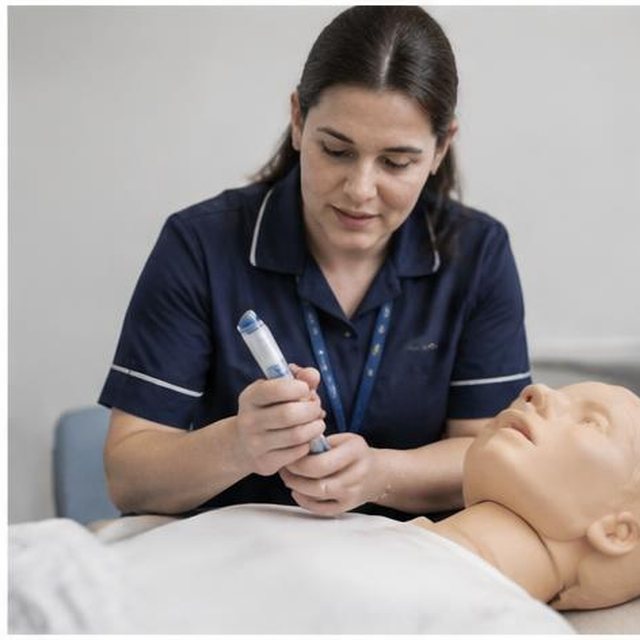
This course will provide in-depth information about Epilepsy and Seizures, including what Epilepsy is, causes, triggers, symptoms and the different treatment options. It will include the effects that Epilepsy can have on a child or young person's development and functioning, as well as how to support individuals living with the condition. It includes training on the practical usage of Buccal Midazolam for individuals that may be prescribed the Epilepsy drug. The course also includes a downloadable PDF workbook that you can fill in as you complete the training, so that you can develop your skills.
This course is designed to highlight the fact that Exploitation refers to a child or vulnerable person being used for someone else’s gain and that Exploitation is a form of abuse which can involve sexual, abusive or manipulative behaviour. This course supports practitioners to recognise the indicators and respond appropriately to individuals that are being Exploited. It includes the ‘grooming process’ and how perpetrators manipulate young people into inappropriate relationships and risky behaviours It incorporates the relevant legislation around Exploitation and provides advice on how to support children and vulnerable people who have suffered this type of abuse.
This course is designed for anyone wanting to improve their skills and reach their potential as a practitioner. The course is fully interactive and prompts you to assess your own approach to supporting young people who are in care or education and other settings. The course covers key topics such as awareness of concepts, awareness of risk factors, exploring consequences for women leading to understanding, discuss U.K. law considers and discusses the practices and cultural issues. The course also includes a downloadable PDF workbook that you can fill in as you complete the training, so that you can develop your skills as a leader or manager and get the most out of the course content.
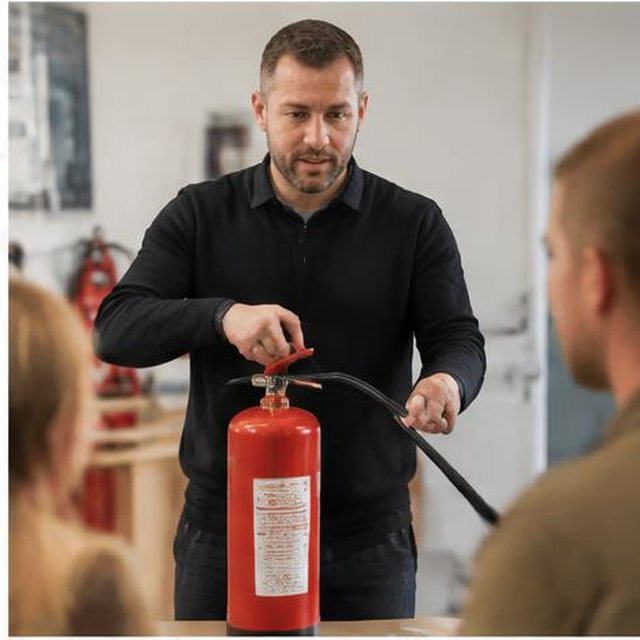
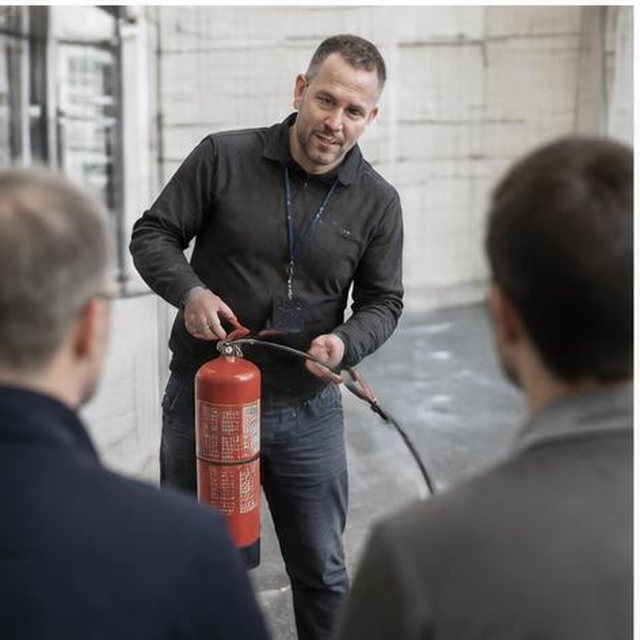
This course is designed to minimise the risk to life and comply with fire safety requirements and legislation. Included will be the fire safety signs, the risks of fire safety in the workplace, how to avoid a fire by spotting fire hazards, the different fire extinguisher types and their legal responsibilities in the prevention and response to fires in the workplace.
This course is designed for anyone wanting to improve their skills and reach their potential as a practitioner. The course is fully interactive and prompts you to assess your own approach to supporting young people who are in care or education and other settings. The course covers key topics such as awareness of the condition including symptoms, awareness of risk factors, understanding behaviours and challenges for young people with FASD, awareness of legislation , look at prevalence within the U.K. population, discuss pregnancy and legal landscape and provide learners with support techniques for working collaboratively with young people who have FASD. The course also includes a downloadable PDF workbook that you can fill in as you complete the training, so that you can develop your skills as a leader or manager and get the most out of the course content.
This course is designed for anyone wanting to improve their skills and reach their potential as a practitioner. The course is fully interactive and prompts you to assess your own approach to supporting young people. The course covers key topics such as food safety responsibilities, safe preparation of food, safe storage of food, raises awareness of food risks including food poisoning, how to confidently avoid cross contamination of foods and discusses good practice in food preparation. The course also includes a downloadable PDF workbook that you can fill in as you complete the training, so that you can develop your skills as a leader or manager and get the most out of the course content.
Harmful Sexualised Behaviour (HSB) Half Day Course
This course is designed for anyone wanting to improve their skills and reach their potential as a practitioner. The course is fully interactive and prompts you to assess your own approach to supporting young people who are in care or education who present Harmful Sexualised Behaviours who may be at risk of child exploitation or who are survivors of abuse and exploitation. The course covers key topics such as definitions of HSB, explores developmental milestones to determine expected norms vs harmful sexualised behaviours. Outlines causes of HSB’s and provides practitioners with tools and skills for their work supporting young people. The course also includes a downloadable PDF workbook that you can fill in as you complete the training, so that you can develop your skills as a leader or manager and get the most out of the course content.
This course provides learners with the knowledge and skills you need to support vulnerable individuals who live with Health Anxiety and hopefully help them to overcome it. It highlights the signs and symptoms and provides information on rumination and other factors associated that need to identified.
This course is designed for anyone wanting to improve their skills and reach their potential as a practitioner. The course is fully interactive and prompts you to assess your own approach to supporting young people who are in care, education and other settings. The course aims to explore inclusivity, equality and diversity in the work place and for young people in care and education. It examines relevant legislation, including protected caharacteristics, helps people to promote an inclusive, diverse and equitable setting and points learners to their own Policies on equality. The course also includes a downloadable PDF workbook that you can fill in as you complete the training, so that you can develop your skills as a leader or manager and get the most out of the course content.
This course is designed for anyone wanting to improve their skills and reach their potential as a practitioner. The course is fully interactive and prompts you to assess your own approach to supporting young people who are in care, education and other settings. The course defines leaving care and provides insight into people’s lived experiences, past attitudes and practices to provide context. Facilitators provide opportunities to discuss legislation, responsabiltiies amd past practices. The training raises awareness of the issues faced by young people leaving care and describes Pathway planning and independence plans. Training highlights the key themes of Corporate Parenting and aims to engage learners to implement independence into their daily practices. The course also includes a downloadable PDF workbook that you can fill in as you complete the training, so that you can develop your skills as a leader or manager and get the most out of the course content.
This course is designed for anyone wanting to improve their skills and reach their potential as a practitioner. The course is fully interactive and prompts you to assess your own approach to supporting young people who are in care or education and promotes awareness and readiness for internet safety conversations. The course covers key topics such as awareness of internet risks, how an individual’s conduct and behaviours online may increase or decrease the risks, discusses online sexual abuse and online grooming (both Child Sexual Exploitation and Criminal Exploitation), provides advice for practitioners to educate young people, identifies strategies to protect children and young people online and provides signposting out to organisations that can assist practitioners and young people to promote digital safety. The course also includes a downloadable PDF workbook that you can fill in as you complete the training, so that you can develop your skills as a leader or manager and get the most out of the course content.
This course is designed for anyone wanting to improve their skills and reach their potential as a practitioner. The course is fully interactive and prompts you to assess your own approach to supporting young people who are in care or education and promotes awareness and readiness for internet safety conversations. The course covers key topics such as relevant legislation, preparation for conducting interviews, highlights good and poor practice, provides guidance on structuring an interview and prepares learners to recruit the candidates that will benefit the practice and ultimately the young people in care, education and other settings. The course also includes a downloadable PDF workbook that you can fill in as you complete the training, so that you can develop your skills as a leader or manager and get the most out of the course content.
This course is designed to will provide learners the necessary skills and knowledge required to plan and carry out an effective interview to ensure the right person is employed. It covers the laws and legal responsibilities that apply to the interview process. It also teaches learners how to apply fairness and transparency and how to structure questions to learn the right information and uncover a candidate's traits. Alos included is how to evaluate candidates to ensure they get the right hire and the best way to politely reject or extend an offer.
This course is designed for anyone wanting to improve their skills and reach their potential as a practitioner. The course is fully interactive and prompts you to assess your own approach to supporting young people. The course covers key topics such as detailing the responsabiltiy and roles in an around keyworking, defines relevant legislation, highlights relevant paperwork likely to be within the home or school setting, instils understanding of care planning and the importance of risk management plans, explores key statistical data and factors that effect mental health in relation to care planning and keyworking. Increases awareness of advocacy and highlights it’s importance to young people and reminds practitioners of maintaining professional boundaries and ethical working in relation to keyworking. The course also includes a downloadable PDF workbook that you can fill in as you complete the training, so that you can develop your skills as a leader or manager and get the most out of the course content.
This course is designed for anyone wanting to improve their skills and reach their potential as a practitioner. The course is fully interactive and prompts you to assess your own approach to supporting young people who are in care or education and other settings who may be at risk of child criminal exploitation, (CCE) or who are survivors of abuse and exploitation. The course covers key topics such as why young people carry weapons, highlights gang culture in the U.K. and it’s historical context, examines the law in the U.K. relating to knife crime and gang culture including subscribed groups, investigates links between media, brands and music with gang culture, supports practitioners to implement the 4 R’s, aims to increase awareness of risk factors and increase the confidence of those working with young people who are or have been involved in weapon carrying and knife crime. The course also includes a downloadable PDF workbook that you can fill in as you complete the training, so that you can develop your skills as a leader or manager and get the most out of the course content.
This course is designed for anyone wanting to improve their skills and reach their potential as a practitioner. The course is fully interactive and prompts you to assess your own approach to supporting your colleagues, young people who are in care, education and other settings. The course aims to raise awareness about LGBTQIA+ issues faced by peoples lived experiences, discusses and explains the history of the LGBTQIA+ community, highlights relevant legislation and international law, raises awareness of stereotyping, provides a forum for people to investigate how to ensure equality and diversity for LGBTQIA+ people, provides external links to organisations that support people and provide relevant resources and explains recent developments within the LGBTQIA+ community. The course also includes a downloadable PDF workbook that you can fill in as you complete the training, so that you can develop your skills as a leader or manager and get the most out of the course content.
This course is designed for anyone wanting to improve their skills and reach their potential as a leader. The course is fully interactive and prompts you to assess your own leadership or management style and then learn how to develop it further. The course covers key topics such as effective communication, the importance of managing your time well, how to build solid relationships with your team, mental fitness and taking care of your own wellbeing, and how to better solve workplace problems. The course also includes a downloadable PDF workbook that you can fill in as you complete the training, so that you can develop your skills as a leader or manager and get the most out of the course content.
This course is designed for anyone wanting to improve their skills and reach their potential as a practitioner. The course is fully interactive and prompts you to assess your own approach to supporting young people who are in care or education who may have diagnosed and undiagnosed learning disabilities. The course covers key topics such as definitions of Learning Disabilities, relevant legislation, identifies and encourages discussion about the purpose and classifications of severity, explains communication strategies for people with Learning Disability and aims to increase practitioners knowledge to positively support individuals in their care using a person centred approach. The course also includes a downloadable PDF workbook that you can fill in as you complete the training, so that you can develop your skills as a leader or manager and get the most out of the course content.
This course is designed for anyone wanting to improve their skills and reach their potential as a practitioner. The course is fully interactive and prompts you to assess your own approach to supporting young people who are in care or education who may have diagnosed and undiagnosed learning disabilities. The course covers key topics such as definitions of Learning Disabilities, relevant legislation, identifies and encourages discussion about the purpose and classifications of severity, explains communication strategies for people with Learning Disability and aims to increase practitioners knowledge to positively support individuals in their care using a person centred approach. The course also includes a downloadable PDF workbook that you can fill in as you complete the training, so that you can develop your skills as a leader or manager and get the most out of the course content.
Liberty Protection Safeguards, DoLS and Mental Capacity Half Day Course
This course is designed for anyone wanting to improve their skills and reach their potential as a practitioner. The course is fully interactive and prompts you to assess your own approach to supporting your colleagues, young people who are in care, education and other settings. The course aims to provide overview of the Mental Capacity Act and Deprivation of Liberty, explains and examines the process of assessing someone’s mental capacity, explains how to investigate and assess what is in a persons best interest, describes restraint and explored deprivation of liberty. The course outlines protections given by the Deprivation of Liberty Safeguards. The course also includes a downloadable PDF workbook that you can fill in as you complete the training, so that you can develop your skills as a leader or manager and get the most out of the course content.
This course is designed for anyone wanting to improve their skills and reach their potential as a practitioner. The course is fully interactive and prompts you to assess your own approach to supporting your colleagues, young people who are in care, education and other settings. The course aims to provide learners with underpinning knowledge and skills to facilitate life story work for young people and children. Content is person centred and allows practitioners to facilitate discussions and activities that provide a safe space for children and young people to express and reflect on their experiences to better understand their emotions. Training provides information and asks learners to reflect on the barriers faced and techniques to overcome them and highlights the importance of identity when thinking about life stories. The course also includes a downloadable PDF workbook that you can fill in as you complete the training, so that you can develop your skills as a leader or manager and get the most out of the course content.
This course is designed for anyone wanting to improve their skills and reach their potential as a practitioner. The course is fully interactive and prompts you to assess your own approach to supporting young people who are in care or education and other settings who may be at risk of or have experience of self harm and suicidality. The course covers key topics such as why young people self harm or try to end their life, the course provides practitioners with the knowledge and skills to support people at risk, gain understanding about the interventions used and encourage safe practice as a method of harm reduction and provides facts regarding the topics. The course also includes a downloadable PDF workbook that you can fill in as you complete the training, so that you can develop your skills as a leader or manager and get the most out of the course content.
This course is designed for anyone wanting to improve their skills and reach their potential as a practitioner. The course is fully interactive and prompts you to assess your own approach to supporting young people who are in care or education. The course covers key topics such as the safe administration of medication including how to avoid contamination, examines the settings procedures for administration, describes the recording process for both Medicines Administration Records and Controlled Drugs Registers, outlines the “Rights” of medication administration and highlights their importance with regard to legislation, roles and responsibilities. Informs and clarifies learners how to report and act in the event of error handling and reactions. The course also includes a downloadable PDF workbook that you can fill in as you complete the training, so that you can develop your skills as a leader or manager and get the most out of the course content.
This course is designed for anyone wanting to improve their skills and reach their potential as a practitioner. The course is fully interactive and prompts you to assess your own approach to supporting young people who are in care or education and other settings. The course covers key topics such as defining mental health first aid and how to use techniques where someone experiencing a mental health crisis, identifies mental health conditions and examines the signs and symptoms of those conditions. Encourages and facilitates discussion about the impact of mental health and substance misuse, provides learners with tools such as the 5 Step Mental Health First Aid Action Plan (ALGEE), facilitates discussion around suicide and risk factors , provides learners with techniques to start conversations with people and provides advice and interventions for supporting people with Mental Health and Substance Use Disorders. The course also includes a downloadable PDF workbook that you can fill in as you complete the training, so that you can develop your skills as a leader or manager and get the most out of the course content.
This course is designed for anyone wanting to improve their skills and reach their potential as a practitioner. The course is fully interactive and prompts you to assess your own approach to supporting young people who are in care or education who may have diagnosed and undiagnosed learning disabilities. The course covers key topics such as definitions of Missing from Care and Absent from Placement, examines recent statistics, discusses the protection of children and highlights associated risks. The content allows learners to understand their responsibilities and roles to record, report and locate young people and children. Trainers facilitate discussion and reflection on the push & pull factors that may lead to incidents of missing from care, highlights the importance of time and why increased time away from the setting increases vulnerability and risks including Child Criminal Exploitation and Child Sexual Exploitation and supports learners in reducing missing incidents by providing techniques that help start conversations and increase communication. Content highlights the importance of working collaboratively with the police, describes relevant legislation and facilitates learning about the relevance of risk management. The course also includes a downloadable PDF workbook that you can fill in as you complete the training, so that you can develop your skills as a leader or manager and get the most out of the course content.
This course is designed for anyone wanting to improve their skills and reach their potential as a practitioner. The course is fully interactive and prompts you to assess your own approach to supporting young people who are in care or education who may have diagnosed and undiagnosed learning disabilities. The course covers key topics such as definitions of Missing from Care and Absent from Placement, examines recent statistics, discusses the protection of children and highlights associated risks. The content allows learners to understand their responsibilities and roles to record, report and locate young people and children. Trainers facilitate discussion and reflection on the push & pull factors that may lead to incidents of missing from care, highlights the importance of time and why increased time away from the setting increases vulnerability and risks including Child Criminal Exploitation and Child Sexual Exploitation and supports learners in reducing missing incidents by providing techniques that help start conversations and increase communication. The course also includes a downloadable PDF workbook that you can fill in as you complete the training, so that you can develop your skills as a leader or manager and get the most out of the course content.
This course is designed for anyone wanting to improve their skills and reach their potential as a practitioner. The course is fully interactive and prompts you to assess your own approach to supporting young people who are in care or education. The course covers key topics such as definitions of mood and behaviour regulation, discussions are facilitated about relevant statistics and prevalence. Content provides information to learners regarding disruptive mood dysregulation and behaviours, highlights the importance of emotion including reflecting on own emotions to better support individuals and demonstrates the importance of awareness of our own emotions, moods and behaviours whilst supporting others when managing challenging behaviours. The course also includes a downloadable PDF workbook that you can fill in as you complete the training, so that you can develop your skills as a leader or manager and get the most out of the course content.
This course is designed to equip learners with the essential knowledge and practical skills required to support individuals with ADHD, with a particular focus on children. Learners will gain a thorough understanding of ADHD. This includes recognising its causes, prevalence and symptoms, alongside understanding how ADHD impacts children, and learning practical support strategies.
This course is designed for anyone wanting to improve their skills and reach their potential as a practitioner. The course is fully interactive and prompts you to assess your own approach to supporting young people who are in care or education and other settings. The course covers key topics such as law and legislation, aims to increase learners’ awareness of the issues experienced by non-verbal and pre-verbal people. Facilitators provide space for learners to explore barriers and challenges to communication and working with non-verbal children and young people. Content provides learners with information to understand communication and non-verbal cues, identify characteristics, types and functions of non-verbal communication and provides strategies to improve sending and receiving communication with non-verbal individuals. The course also includes a downloadable PDF workbook that you can fill in as you complete the training, so that you can develop your skills as a leader or manager and get the most out of the course content.
This course is designed for anyone wanting to improve their skills and reach their potential as a practitioner. The course is fully interactive and prompts you to assess your own approach to supporting young people who are in care, education and other settings, (such as sports clubs and community groups). The course covers key topics such as definitions OCD, examines symptoms of the condition, trainers facilitate discussions to explore person centred support, consider behaviours and provides a space to scrutinise and explore OCD. Content explores the implications for people with OCD and those around them. The course also includes a downloadable PDF workbook that you can fill in as you complete the training, so that you can develop your skills as a leader or manager and get the most out of the course content.
This course is designed for anyone wanting to improve their skills and reach their potential as a practitioner. The course is fully interactive and prompts you to assess your own approach to supporting young people. The course aims to increase the knowledge and awareness of practitioners supporting people with PDA and covers key topics such as providing a full awareness of the condition and how it effects people, facilitators provide space to discuss how the condition can cause damage to the physical and mental health of people living with the condition and how to support people whilst implementing their knowledge into their practice. The content encourages people to work collaboratively in a person centred way, manage risks and share information with other professionals and family and highlights some approaches that can help people involved in the care and education of people with PICA. The course also includes a downloadable PDF workbook that you can fill in as you complete the training, so that you can develop your skills as a leader or manager and get the most out of the course content.
This course is designed for anyone wanting to improve their skills and reach their potential as a practitioner. The course is fully interactive and prompts you to assess your own approach to supporting young people. The course aims to increase the knowledge and awareness of practitioners supporting people with PDA and covers key topics such as definitions of PDA, recognition of signs and symptoms. Content assists practitioners to manage behaviours that challenge and respond appropriately using a person-centred approach when children and young people are in crisis. Trainers facilitate activities and discussions that help practitioners develop tailored, flexible frameworks of helpful approaches when working collaboratively and supporting people with PDA. The course also includes a downloadable PDF workbook that you can fill in as you complete the training, so that you can develop your skills as a leader or manager and get the most out of the course content.
This course is designed to provide learners with the ability to deliver quality personal care, the key principles of good care planning, why it’s important to record and report, and the correct policies and procedures. They will also know how to provide this sensitively and respectfully and learn the importance of inclusive care. This course explains how to provide personal care in a safe and hygienic way including hand washing, use of Personal Protective Equipment (PPE) and disposal of waste.
This course is designed for anyone wanting to improve their skills and reach their potential as a practitioner. The course is fully interactive and prompts you to assess your own approach to supporting young people. This course explores the concept of positive risk taking, beginning with a clear definition of what it means to support individuals in making informed choices that enhance their independence, wellbeing, and quality of life while managing potential harm. It outlines the role of practitioners in enabling service users to take positive risks by promoting autonomy, carrying out balanced risk assessments, and providing appropriate support rather than unnecessary restriction. The course also identifies key people involved in the positive risk-taking process, including the individual, their families or carers, and multidisciplinary professionals, emphasising collaboration and person-centred planning. In addition, it examines the possible effects of both effective and ineffective independence planning, highlighting how well-managed support can build confidence and life skills, while poor planning may lead to increased risk or reduced wellbeing. Finally, the course compares approaches to risk taking in elderly and childcare settings, considering differences in capacity, safeguarding responsibilities, and the need to balance protection with empowerment across different stages of life. The course also includes a downloadable PDF workbook that you can fill in as you complete the training, so that you can develop your skills as a leader or manager and get the most out of the course content.
This course is designed for anyone wanting to improve their skills and reach their potential as a practitioner. The course is fully interactive and prompts you to assess your own approach to supporting young people who are in care or education and other settings. This course provides a awareness of Prader-Willi Syndrome, aiming to improve knowledge of the condition and its impact on individuals’ lives. It supports staff in managing the unique challenges associated with caring for people with Prader-Willi, particularly around food-related behaviours, appetite control, and maintaining a safe environment. The course explores the emotional, physical, and social difficulties that can arise, while also highlighting effective strategies for providing compassionate, person-centred support. In addition, it encourages recognition and celebration of the positive traits and strengths often seen in individuals with Prader-Willi, promoting a balanced and respectful perspective. The course raises awareness of how the condition can affect long-term quality of life and future outcomes, helping staff to better plan, support independence, and enhance overall wellbeing. The course also includes a downloadable PDF workbook that you can fill in as you complete the training, so that you can develop your skills as a leader or manager and get the most out of the course content.
This course is designed for anyone wanting to improve their skills and reach their potential as a practitioner. The course is fully interactive and prompts you to assess your own approach to supporting young people who are in care or education who may have diagnosed and undiagnosed learning disabilities. This course introduces the concept of professional boundaries and explains their importance in maintaining safe, respectful, and effective working relationships. It explores common reasons why boundaries may be broken and provides practical tips to help learners maintain appropriate limits in their day-to-day practice. The course also encourages self-reflection, enabling individuals to recognise their own values, behaviours, and potential risks. Finally, it outlines the correct processes to follow if boundaries are crossed, ensuring accountability, learning, and the protection of both professionals and those they support. The course also includes a downloadable PDF workbook that you can fill in as you complete the training, so that you can develop your skills as a leader or manager and get the most out of the course content.
This course is designed for anyone wanting to improve their skills and reach their potential as a practitioner. The course is fully interactive and prompts you to assess your own approach to supporting young people who are in care or education and other settings. This course explores the principles of maintaining professionalism within a care or support setting, beginning with a clear description of what constitutes both professional and unprofessional practice. It explains the importance of maintaining appropriate boundaries between personal and professional relationships, ensuring interactions remain respectful, ethical, and focused on the needs of those being supported. The course also examines the limits of confidentiality and appropriate self-disclosure, helping learners understand what information can be shared and when. It discusses common reasons why professional boundaries may be crossed, such as emotional involvement or lack of awareness, and highlights practical strategies to prevent this from happening. Finally, the course outlines the correct processes to follow if boundaries are breached, including reporting procedures, reflection, and steps to protect both the individual and the professional, ensuring safe and accountable practice. The course also includes a downloadable PDF workbook that you can fill in as you complete the training, so that you can develop your skills as a leader or manager and get the most out of the course content.
This course is designed to provide an awareness and understanding of radicalisation. Preventing radicalism and extremism is a hugely important topic to be aware of when working in frontline sectors. Especially for those in contact with potentially vulnerable adults and children. Awareness of radicalisation, the techniques and signs can allow you to help people in need of support of guidance which could, in turn, save their life. Knowledge on National Strategy will be gained including what the Prevent duty is, how to demonstrate compliance with the duty, how to appropriately respond and how to make a referral.
This course is designed for anyone wanting to improve their skills and reach their potential as a practitioner. The course is fully interactive and prompts you to assess your own approach to supporting young people. This course introduces the key principles of effective and responsible report writing, explaining why accurate reports are essential in professional settings. It explores the concept of ethical writing and the importance of clarity, honesty, and accountability. Learners will gain an understanding of the General Data Protection Regulation (GDPR), including special categories of personal data, as well as the rules around reporting concerns, managing data breaches, and transferring personal data outside of the EU. The course also helps learners distinguish between fact, opinion, judgement, and hearsay, and provides practical guidance on what information should be included in clear, concise, and compliant reports. The course also includes a downloadable PDF workbook that you can fill in as you complete the training, so that you can develop your skills as a leader or manager and get the most out of the course content.
Rescue Medications and Rectal Paraldehyde Half Day Course
This course is designed for anyone wanting to improve their skills and reach their potential as a practitioner. The course is fully interactive and prompts you to assess your own approach to supporting young people. This course provides essential knowledge and practical guidance on supporting individuals who experience seizures. It helps learners recognise the signs of a seizure and understand the correct procedures to follow before, during, and after an episode to ensure safety and effective care. The course also covers appropriate aftercare and builds awareness of rescue medications, including when and how they are used. In addition, learners will gain an understanding of treatments such as rectal paraldehyde and buccal midazolam, promoting confidence and competence in responding to seizure-related emergencies. The course also includes a downloadable PDF workbook that you can fill in as you complete the training, so that you can develop your skills as a leader or manager and get the most out of the course content.
This course is designed for anyone wanting to improve their skills and reach their potential as a practitioner. The course is fully interactive and prompts you to assess your own approach to supporting young people. This course introduces the role of a Fire Marshal, raising awareness of their importance in maintaining fire safety within environments such as homes and schools. It outlines the key responsibilities of the role, including supporting evacuation procedures, identifying fire risks, and ensuring safety protocols are followed. The course also guides learners on how to assess and determine the appropriate number of Fire Marshals required in a setting, helping to ensure effective emergency preparedness and compliance with safety standards. The course also includes a downloadable PDF workbook that you can fill in as you complete the training, so that you can develop your skills as a leader or manager and get the most out of the course content.
This course is designed for anyone wanting to improve their skills and reach their potential as a practitioner. The course is fully interactive and prompts you to assess your own approach to supporting young people. This course provides a clear introduction to safeguarding, including both traditional and contextual safeguarding, helping learners understand how risks to children and young people can arise in a range of environments. It covers key safeguarding legislation, identifies the different types of abuse, and outlines individual responsibilities in protecting children and young people from harm. The course also emphasises the importance of whistleblowing and builds learners’ confidence in recognising the signs of abuse and responding appropriately when concerns arise, are disclosed, or are suspected, ensuring effective and timely action is taken. The course also includes a downloadable PDF workbook that you can fill in as you complete the training, so that you can develop your skills as a leader or manager and get the most out of the course content.
This course is designed for anyone wanting to improve their skills and reach their potential as a practitioner. The course is fully interactive and prompts you to assess your own approach to supporting young people. This course provides a comprehensive introduction to safeguarding children and young people, helping learners understand what safeguarding is and the key legislation that underpins it. It builds confidence in identifying the different types of child abuse and recognising the signs when abuse occurs, is suspected, or disclosed. The course outlines individual safeguarding responsibilities and emphasises the importance of whistleblowing in protecting children and young people from harm. It equips learners with the knowledge and confidence to take appropriate action and respond effectively to concerns, ensuring the safety and wellbeing of children. The course also includes a downloadable PDF workbook that you can fill in as you complete the training, so that you can develop your skills as a leader or manager and get the most out of the course content.
This course is designed for anyone wanting to improve their skills and reach their potential as a practitioner. The course is fully interactive and prompts you to assess your own approach to supporting young people who are in care or education and other settings. Content introduces the principles of safer recruitment, equipping learners with the knowledge and skills to recruit staff safely and confidently. It covers relevant policies and guidelines, emphasising the importance of thorough pre-employment checks to ensure the suitability of candidates. Learners will also gain practical guidance on employing new staff and following correct procedures when requesting references, helping to maintain safe and compliant recruitment practices within any organisation. The course also includes a downloadable PDF workbook that you can fill in as you complete the training, so that you can develop your skills as a leader or manager and get the most out of the course content.
Self Harm and Suicide (with overdose) Half Day Course
This course is designed for anyone wanting to improve their skills and reach their potential as a practitioner. The course is fully interactive and prompts you to assess your own approach to supporting young people. The course provides an introduction to understanding self-harm and suicide, exploring the risk factors and underlying reasons behind these behaviours. It equips learners with strategies for harm minimisation and prevention, including how to confidently start conversations that encourage disclosure. The course also covers ways to actively reduce risks, promote self-help, and facilitate access to professional support, helping learners respond effectively and compassionately to individuals at risk. The course also includes a downloadable PDF workbook that you can fill in as you complete the training, so that you can develop your skills as a leader or manager and get the most out of the course content.
This course is designed to provide in-depth knowledge for learners to recognise the signs and symptoms of sepsis, understand NEWS scores and the NEWS2 chart, identify key sepsis indicators and markers, and take appropriate action. 40% of all sepsis survivors are left with life-changing effects and 5 people die of sepsis every hour in the UK. This Sepsis Awareness course will increase learners’ knowledge of the condition. It is ideal for health and social care professionals working in environments where infection control and early sepsis recognition are critical. It is also beneficial for workplace first aiders and those in customer-facing roles who may need to respond in an emergency.
This course is designed for anyone wanting to improve their skills and reach their potential as a practitioner. The course provides a comprehensive introduction to vaping and e-cigarettes, defining key terms and explaining the differences between gas, vapour, and aerosols. It explores the ingredients of e-cigarettes and vapes, the potential and actual harms, including environmental impacts and the risks of passive vaping. Learners will review current research and statistics, understand nicotine addiction and associated risks, and consider other factors affecting health. The course also examines relevant legislation and tobacco products, while offering guidance on reducing harms and promoting positive support for individuals making informed choices about vaping and smoking. The course also includes a downloadable PDF workbook that you can fill in as you complete the training, so that you can develop your skills as a leader or manager and get the most out of the course content.
This course is designed to enable the learner to recognise the effects of alcohol abuse, be able to identify different types of drugs and the effects of drug abuse, the impact drug and alcohol abuse would have on a young person and how to support a young person with addiction and misuse. It highlights the negative impacts of stigma and how we can avoid it.
This course is designed for anyone wanting to improve their skills and reach their potential as a practitioner. Course content introduces learners to the principles of supervision and appraisal, explaining their purpose and the differences between the two. It emphasises the importance of effective communication in supporting performance, professional development, and workplace relationships. Learners will explore how supervision and appraisal contribute to ongoing learning and growth and gain practical guidance on accurately recording these processes to ensure accountability and continuous improvement. The course also includes a downloadable PDF workbook that you can fill in as you complete the training, so that you can develop your skills as a leader or manager and get the most out of the course content.
This course is designed for anyone wanting to improve their skills and reach their potential as a practitioner. This course introduces learners to therapeutic parenting and trauma-informed care, focusing on understanding the impact of trauma on individuals. Content teaches the PACE approach to improve communication and build trust with those who have experienced trauma, supporting their healing process. Learners will also explore strategies to manage mood and behaviour dysregulation, equipping staff with practical skills to provide compassionate, effective, and trauma-informed care in the workplace. The course also includes a downloadable PDF workbook that you can fill in as you complete the training, so that you can develop your skills as a leader or manager and get the most out of the course content.
This course is designed for anyone wanting to improve their skills and reach their potential as a practitioner. Course content provides an in-depth introduction to the condition, offering background knowledge and a clear understanding of its nature. It explores common facts and myths, considers the effects on a person’s daily life, and examines co-occurring conditions. Learners will investigate symptoms, their possible causes, and factors that can influence their occurrence. The course reviews diagnosis, available treatments, and the positive support and services that can help individuals manage the condition effectively. The course also includes a downloadable PDF workbook that you can fill in as you complete the training, so that you can develop your skills as a leader or manager and get the most out of the course content.
This course is designed for anyone wanting to improve their skills and reach their potential as a practitioner. Course content provides an in-depth introduction to the condition, offering background knowledge and a clear understanding of its nature. It explores common facts and myths, considers the effects on a person’s daily life, and examines co-occurring conditions. Learners will investigate symptoms, their possible causes, and factors that can influence their occurrence. The course reviews diagnosis, available treatments, and the positive support and services that can help individuals manage the condition effectively. The course also includes a downloadable PDF workbook that you can fill in as you complete the training, so that you can develop your skills as a leader or manager and get the most out of the course content.
This course provides learners with the knowledge and skills you need to ensure you are complying with your legal responsibilities in relation to supporting children and vulnerable people with their health and wellbeing. It provides information on the various types of seizures, how to recognise the various types and how to respond appropriately. Staff need to gain the knowledge and skills included in this course to help them to successfully protect the people that they work with from serious harm, injury or illness.
This course is designed to provide the learners with an understanding of stress and how it can affect us in the workplace. Health and social care is a very stressful environment to work in and it is important that staff can limit their own stress in order to support people who struggle with stress and find it very difficult to manage their moods and emotions. Logical decisions are very hard to make when we are stressed and this course highlights the importance of this and our responsibility to manage our mood and emotions in the workplace.
This course is designed to raise awareness of the dangers associated with working alone and the practical steps that can be taken to minimise and control the risks that it presents. The course covers why you need to know about working alone, what lone working is, applicable legislation, the key responsibilities of employers and employees, the main hazards, assessing the risk and safe working arrangements.